Month-by-Month Guide to Walking Weather in the Italian Countryside
The Italian countryside does not have one walking season. It has several, and each comes with its own weather, ground conditions and level of company. A path through the Chianti hills in May feels nothing like the same path in August; a ridge in the Apennines in October can be crisp and clear while the Po Valley sits under fog. Use this guide as a planning tool, then check a local forecast before you pack. Italy’s weather is regional, and altitude matters more than the calendar suggests.
The Shape of the Walking Year
Italy is a long peninsula with mountains down its spine, so any generalisation needs caveats. The north has colder winters and more summer rain in the Alps; the central hills are milder but can be windy and wet; the south and the islands are warmer and drier, with fierce summer sun. Altitude changes everything. A low olive grove may be pleasant while a nearby pass is still snowbound. Crowd levels follow the same logic. Coastal resorts and famous hill towns fill in July and August, while rural footpaths can stay quiet even then.
For most walkers, the sweet spots are late spring and early autumn. But “best” depends on what you want: wildflowers, long dry days, harvest colour, or genuine solitude. The months below are grouped by similar conditions, with notes on where each one works best.
January to March: Quiet, Cold and Changeable
January. This is the quietest month on most rural trails. Expect frost in the north and central hills, snow in the Alps and high Apennines, and short daylight. Lowland paths can be muddy or waterlogged, especially in the Po Valley and on clay soils. The south and the coast are milder, but even there mornings can be sharp. Many agriturismi and small restaurants take a winter break, so check opening times before you commit to a remote route.
February. Similar to January, with slightly longer evenings and the first hints of spring in the south. Snow can linger at altitude, and north-facing paths may stay icy. Good months for low-hill walks, coastal routes and town-to-village walks where you can shorten the day if weather turns. Pack waterproof boots, warm layers and a headtorch.
March. A transition month. You can get a mild, still afternoon followed by a cold, wet week. Snowmelt makes high routes unreliable, and shaded woodland paths stay muddy. In the south, early wildflowers appear and the almond blossom is out. Crowds are still low, except around Easter if it falls in March. Treat March as a month for flexible plans rather than ambitious ridge walks.
April to June: The Long Green Spring
April. This is one of the most beautiful months for lower and mid-altitude walking. The hills turn green, wildflowers line the paths, and temperatures are usually pleasant for walking. The trade-off is unsettled weather: showers, wind and mud on shaded trails. Easter can bring a short spike in visitors, especially in Tuscany and Umbria. Book accommodation if you are travelling over the holiday, but expect ordinary rural paths to remain peaceful.
May. Often the best all-round month. Days are long, the heat is not yet oppressive, and the countryside is at its most lush. Hay meadows, poppies and hedgerows make even a short walk feel generous. Trail conditions are usually good, though heavy rain can still leave clay sections slippery. Afternoon thunderstorms begin to build in the mountains and central hills, so start early and avoid exposed ridges late in the day. Crowds are moderate, not overwhelming.
June. Early summer. Mornings are fresh, afternoons warm, and daylight is at its longest. Lower routes can get hot by mid-afternoon, while high routes become more accessible as snow clears. In the Alps and Apennines, afternoon storms are common; carry a light waterproof even on a blue-sky morning. Crowds rise, especially near lakes and famous villages, but rural paths are still manageable. This is a good month for long days if you are fit and prepared for heat.
July and August: Heat Management Season
These are the months to plan around the sun rather than against it. In much of Italy, walking between late morning and late afternoon is uncomfortable, and sometimes unwise. Start at first light, take a long midday break, and walk again in the evening. High-altitude routes, shaded woodland and coastal paths with a breeze work best. Lowland and exposed hill routes can be punishing.
July. Hot and generally dry, though mountain storms still flare up. Trails are hard and dusty; overgrown sections may scratch bare legs. Water sources can be unreliable, so carry more than you think you need. Crowds are high on the coast and in famous destinations, but many rural paths remain surprisingly empty. Book accommodation ahead, especially near popular trailheads.
August. The hottest month for most of the country, and the peak holiday period. Expect busy roads, full car parks and higher prices in coastal and mountain resort areas. Rural villages may host festivals, which can be a delight, but some shops and family-run businesses close for holidays. Walk early, carry a hat and sunscreen, and treat afternoon thunderstorms in the mountains with respect. If you want solitude, choose quieter inland areas and accept the heat.
September and October: The Best All-Round Months
September. A strong contender for the best walking month. The fierce heat eases, the light softens, and the countryside moves into harvest. Days are still long enough for a full walk, and evenings are cool enough for sleep. Crowds remain moderate in the countryside, though coastal and cultural destinations stay busy. Trail conditions are usually dry and firm. This is a fine month for long-distance routes and for walkers who want warm weather without the August intensity.
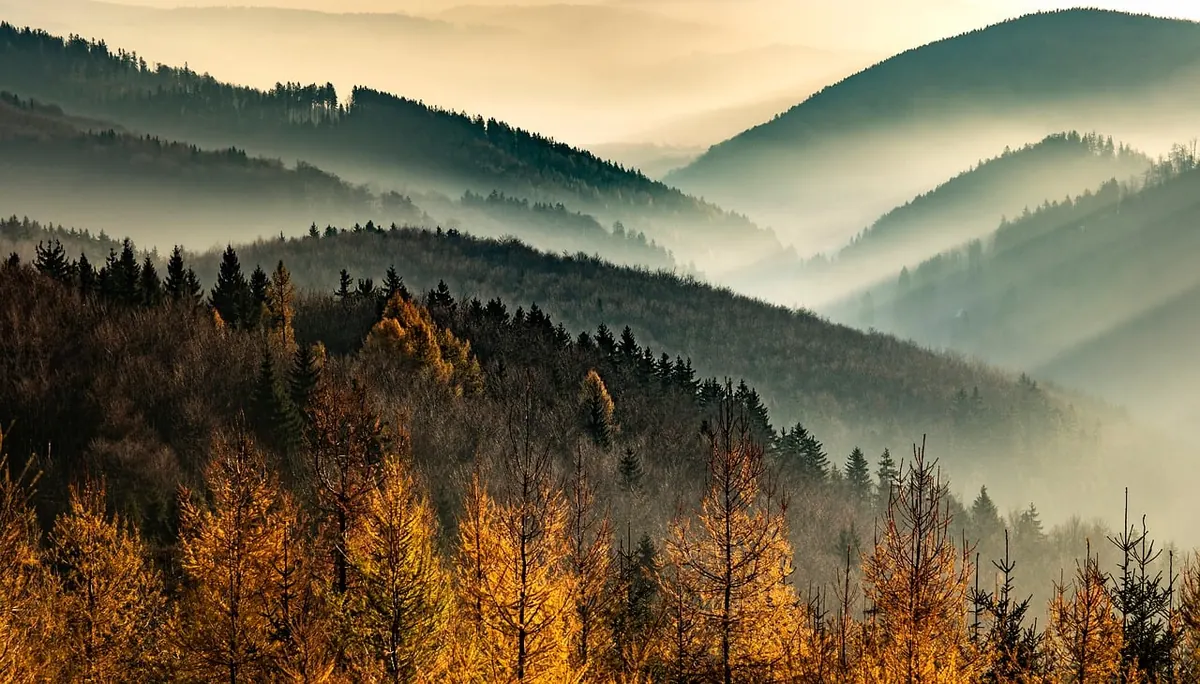
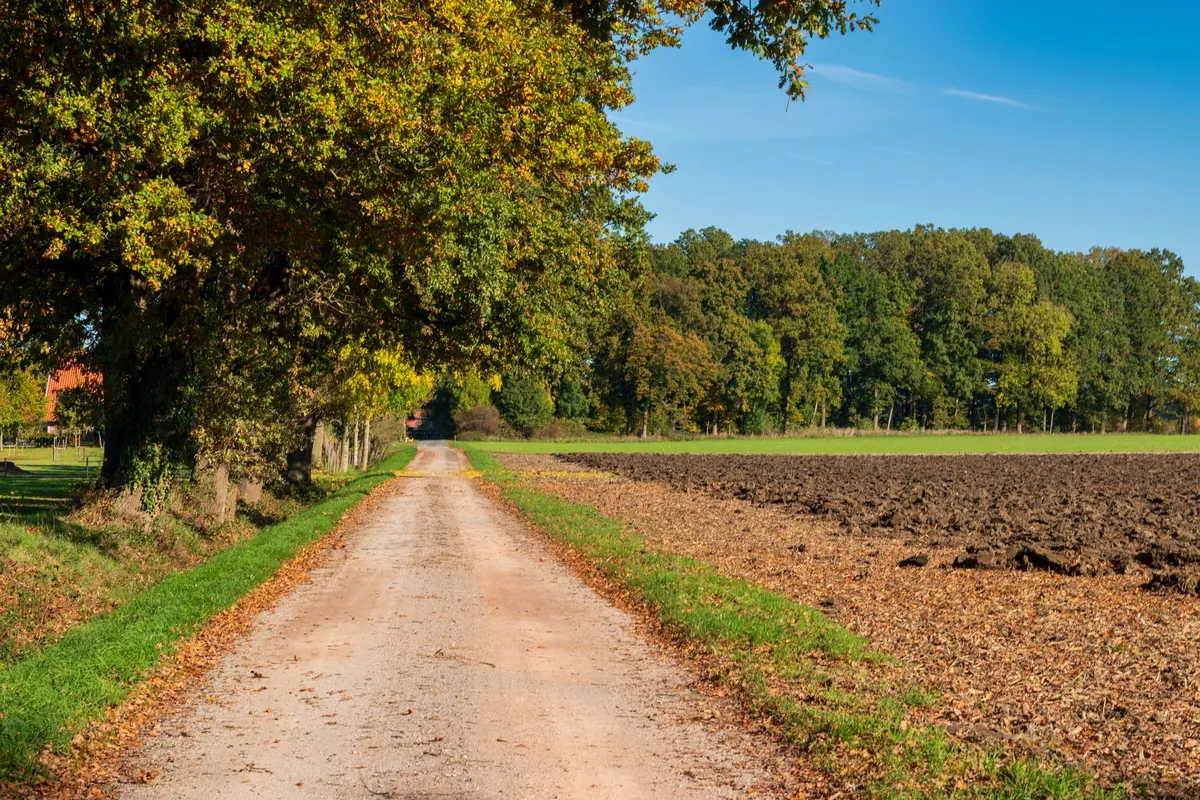
October. Autumn arrives properly. Expect cooler mornings, mist in the valleys, and more frequent rain. The colours are beautiful, and the olive harvest begins in many areas. Fallen leaves can make woodland paths slippery, and clay soils turn sticky after rain. In some rural areas, autumn is also hunting season; wear something visible and respect local signs and closures. Crowds drop away, accommodation is easier to find, and the countryside feels calmer. Check the forecast closely and keep plans flexible.
November and December: Short Days, Soft Light, Low Crowds
November. One of the wettest months in many regions, with fog, short daylight and muddy trails. High routes are usually out of condition, and many mountain huts and rural businesses close. The reward is solitude and soft, moody landscapes. Choose low-hill routes, coastal walks and village-to-village itineraries where you can end early. Carry a headtorch and a proper waterproof.
December. Cold, dark and often festive. Snow is likely in the Alps and high Apennines, while lower areas may be damp and grey. Short days limit ambitious walks, but low-altitude paths and coastal routes can still be enjoyable on clear days. Crowds are low outside the Christmas holidays. Check daylight hours carefully and tell someone your route before setting off.
Practical Closing: Match the Month to Your Route
Choose your month by the walk you want, not just by the weather map. Use this short list as a starting point:
- Wildflowers and green hills: late April and May.
- Long, dry days and high routes: late June to early July, or September.
- Autumn colour and harvest atmosphere: October.
- Solitude and low crowds: November, January and early March, with rain or cold accepted.
- Coastal and southern walking: March to April, or October to November.
Whatever month you choose, pack layers, waterproof boots and a light rain shell. Check the local forecast the night before and again in the morning. Tell someone where you are going, carry water and a map, and be willing to shorten a route if the weather changes. Book rural accommodation ahead in May, June, September and October, when the best places fill quickly. If you have heart, lung or mobility concerns, talk to a doctor before planning strenuous days in heat or at altitude. The Italian countryside rewards walkers who adapt to its rhythms rather than fight them.
Photo: Sergej ***** / Pexels