How to Join a Village Festival Without Feeling Like a Tourist
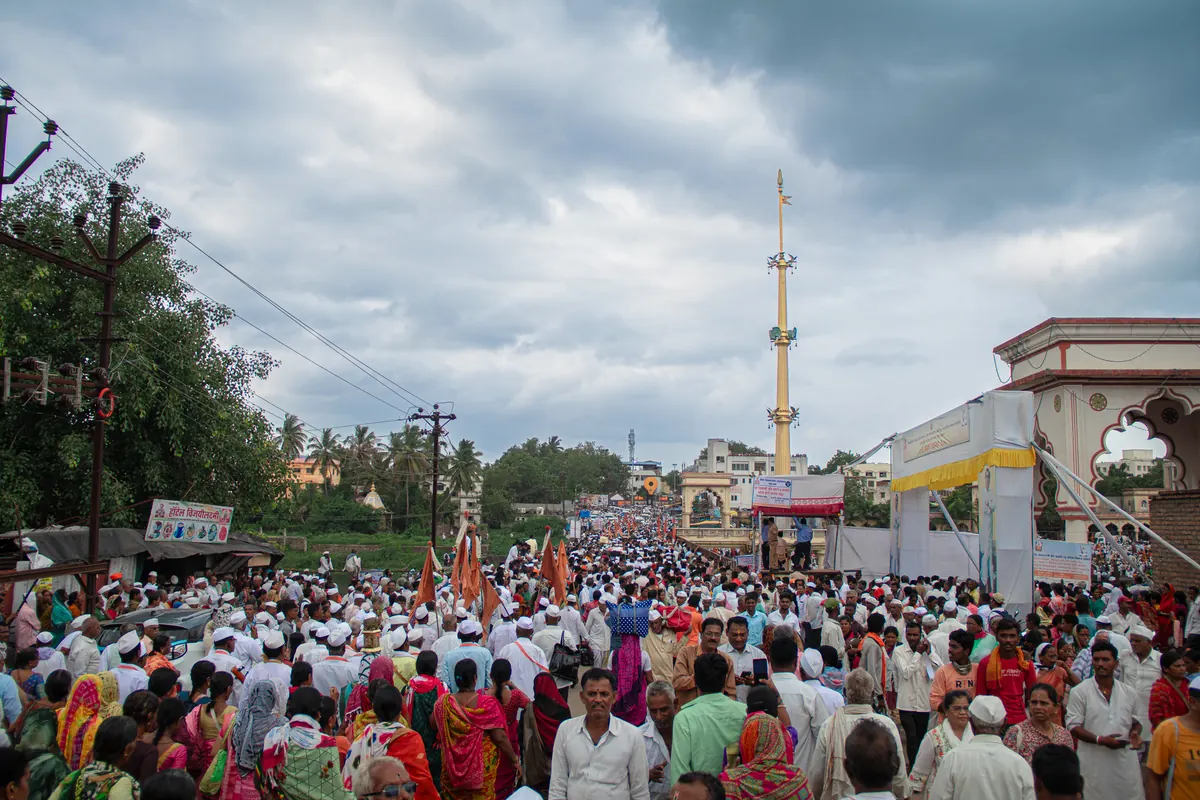
Every village has at least one evening a year when the piazza fills with long tables, the church bells run late, and nobody is selling tickets to anything in particular. That evening is not a tourist attraction, though it is often the best thing you could happen to walk into. The difference between being welcomed at a village festival and being quietly tolerated comes down to preparation: knowing which event to choose, when to arrive, what to wear, and when to put the phone away. None of it is complicated. All of it is noticed.
Find the festival the village actually attends
Start by learning the difference between the three things outsiders tend to lump together. A sagra is usually a food festival, often run as a fundraiser by a parish, a sports club or a volunteer group, built around one local product — porcini, chestnuts, snails, a particular salami. A festa patronale honours the village's patron saint and almost always includes a procession, a mass, and a fairground on the edge of town. A fiera is a market or livestock fair, older and more commercial than either. They have very different rhythms, and you should know which one you are walking into.
Finding them is mostly a matter of looking at walls. Posters appear on the sides of bars, bakeries and the town hall two or three weeks ahead, usually with a phone number at the bottom. The parish noticeboard is reliable for anything religious. The local Pro Loco — the volunteer tourism association most Italian towns of any size maintain — publishes a calendar, as does the comune website, though both are sometimes updated late. The best source, though, is a person: ask at the bakery or the morning bar, in Italian if you can manage it. “C'è qualche festa qui nelle prossime settimane?” Ask two people. If both name the same event, that is the one worth rearranging your week for.
Time it properly
Village festivals are rarely punctual in the way a concert is punctual, but they are strict about sequence. If the programme says the procession leaves the church at six, that means six, and walking through the square with a camera while the statue passes is the single fastest way to be marked as someone who does not understand where they are. Arrive an hour before anything begins, park outside the historic centre — streets that look wide at four in the afternoon are impassable at eight — and locate the bar, which is where the town's real schedule lives.
Evening events start later than you expect. A dinner advertised for eight may seat people at half past eight and finish the first course at ten. Sunday is different: mass around ten or eleven, lunch immediately after, and the festival winding down by late afternoon. If you arrive while volunteers are still setting up trestles and unfolding chairs, do not stand and watch. Ask where to put them, or offer to carry something. Ten minutes of that will do more for your evening than any amount of polite smiling.
Dress and behave like a guest
Rural Italy is relaxed about many things and quietly strict about a few. Cover your shoulders if you plan to go into a church, leave the beachwear at the campsite, and wear shoes that can handle cobbles and a grassy car park. Beyond that, the main rule is: participate at the volume of the room.
- Greet people when you enter a shared space. Buonasera to the table, a nod to the volunteers behind the grill.
- Stand still and keep talking quietly during a procession or a speech. Do not walk in front of it, and do not film it from arm's length.
- Ask before photographing people, especially children and anyone in religious dress. A gesture at the camera and a raised eyebrow is enough.
- Keep your opinions about how things are done at home to yourself for the evening. Comparisons are rarely received as compliments.
- Supervise your children and your dog; both are welcome at most festivals and both are expected to behave.
At the table
Most sagre work on a ticket system: you buy coupons or a prepaid card at a till near the entrance, then queue at the counter for your dish. Study what the people ahead of you are doing. Menus are short by design — often one primo, one secondo, a side, a slice of cake — and the kitchen is not set up for substitutions. Ask what is in something if you need to, but do not request it without garlic. House wine comes in a jug, water in a plastic bottle, and coffee is usually somewhere else entirely.
Sitting down is where the evening happens. Tables are long and strangers are seated together as a matter of course, so take the empty chair and say hello. Cash is still king at the smaller events, though cards are increasingly accepted; carry small notes either way. Finish what you take — portions are generous and waste is noticed. If a volunteer presses a second helping on you, accept it or decline warmly. Before you leave, tell the person who cooked that it was good. They will remember your face next year.
Contribute, don't just consume
These festivals exist because thirty or forty people gave up their week. The cheapest way to stop feeling like a tourist is to become marginally useful: buy the raffle tickets, buy the homemade jam, buy a drink you did not strictly need. Volunteer for the washing-up rota if you are staying nearby for several days; nobody will refuse. Thank the organisers by name if you learn them, and buy your bread and petrol in the village rather than in the supermarket on the ring road.
One more thing worth saying plainly: put the camera down for most of the night. Take a handful of photographs early, then leave it in your pocket. The evening is not a performance, and the moment you start curating it you stop being part of it.
A short checklist before you go
Confirm the event is happening this year and on which day — dates move, and small festivals are sometimes cancelled for weather or lack of volunteers. Check whether it is a religious occasion that requires covering up. Bring cash, a light layer for the evening, and shoes for uneven ground. Learn five words of Italian: buonasera, per favore, grazie, buonissimo, arrivederci. Arrive early, park outside the centre, offer to help, sit with strangers, and stay for the last song rather than leaving at the pudding.
Then go back the following year. Village festivals reward the second visit far more than the first, because by then you are not a visitor to the evening — you are simply one of the people who turns up.
Photo: Chetan Tawade / Pexels