What to Expect on Your First Multi-Day Pilgrimage in Italy
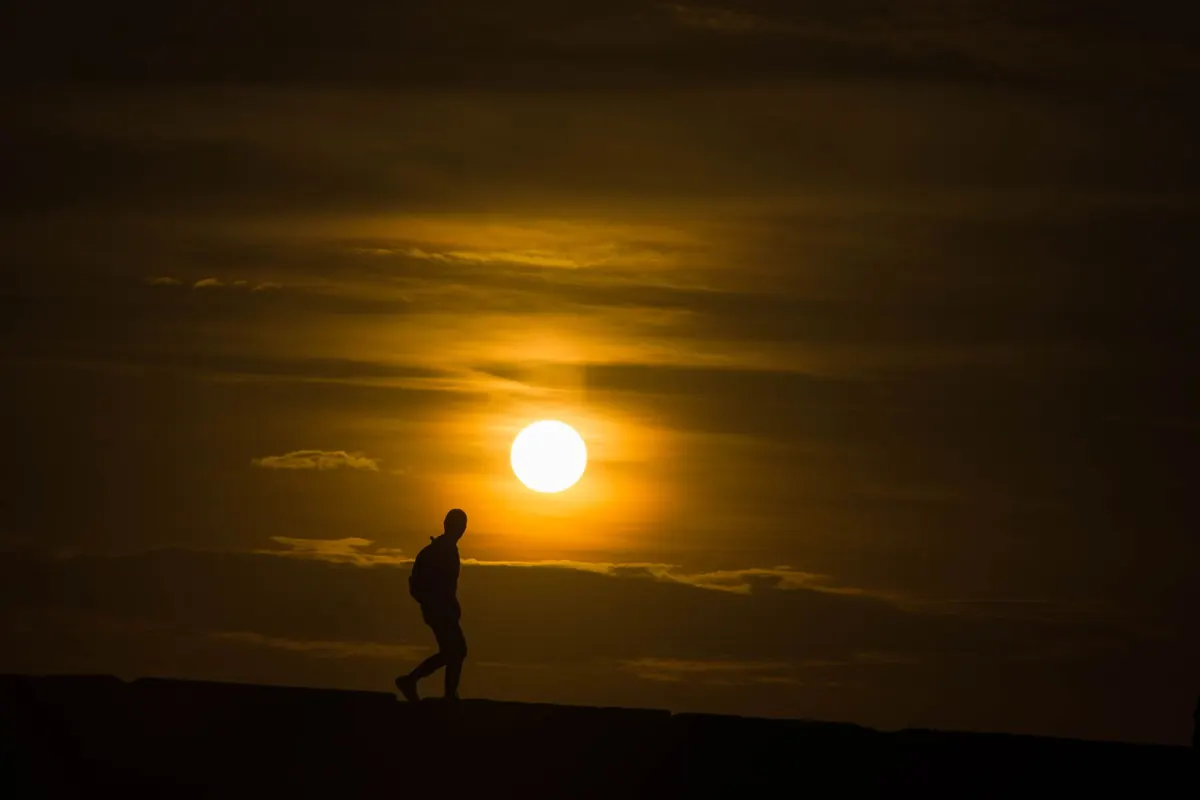
The first morning of a long walk in Italy rarely looks like the postcard. You wake in a convent guesthouse in some hill town before six, listen to pigeons shifting on the roof, and try to remember which pocket holds your socks. Twenty minutes later you are standing in a dark piazza with a pack that suddenly weighs twice what it did at home, looking for the first yellow arrow or red-and-white stripe that will lead you out of town. That moment — clumsy, quiet, faintly ridiculous — is where most Italian pilgrimages actually begin.
What follows is a rhythm rather than a holiday. Knowing roughly how the days unfold takes away most of the anxiety of a first long walk, and leaves room for the parts you cannot plan: the village baker who fills your bottle, the storm that arrives at the worst possible moment, the afternoon when the whole thing suddenly makes sense.
The Shape of a Walking Day
Most pilgrims are on the trail between seven and eight, having packed in near-darkness, eaten whatever the accommodation put out, and fumbled for a coffee at the first bar that opens. The morning is for distance. Try to cover half your kilometres before eleven, while the light is soft and your legs are still curious.
Then the day splits in two. Between one and three in the afternoon, especially from May to September, the Italian sun makes decisions for you. Stone walls hold the heat, and exposed stretches of path turn into a grill. Many walkers stop for a real lunch, a nap in the shade, or simply a long sit with a book. Setting off again at four feels like beginning a second, gentler day.
The first hour belongs to nobody
Do not schedule difficult conversations with yourself before eight o'clock. The first hour is a warm-up: the pack settles, the knees complain, the mind comes online slowly. Judgements made then are usually wrong.
Evenings end earlier than you expect
Dinner in rural Italy often starts around 19:30, and pilgrim kitchens expect you to have finished by nine. By 21:30 most dormitories are dark. It sounds austere and turns out to be a relief. Many people sleep better on a pilgrimage than they have in years.
Distances: Plan Fewer Kilometres Than You Think
On an established Italian route you will typically cover 15 to 25 kilometres a day, but the figure on the map is only half the story. Climbing matters more. A 16-kilometre day with 600 metres of ascent through olive groves takes as long as a flat 25, and Italian pilgrimages tend to link hill towns — which means short, sharp climbs at the end of the day, exactly when your legs have stopped cooperating.
A sensible approach for a first pilgrimage:
- Days one to three: 12 to 15 kilometres, deliberately short.
- Days four onward: build by two or three kilometres at a time.
- Every fifth or sixth day: a rest day with no pack at all.
- On any day with serious ascent, subtract five kilometres from your plan.
Also budget time for getting lost. Signage on the Via Francigena, the Via di Francesco and the Via degli Dei is generally good, but junctions in farmland and suburbs are where people wander. An extra three kilometres happens to everyone. Carry a paper map or offline route on your phone rather than trusting signal in a valley.
Where You Will Sleep
Accommodation is where Italian pilgrimage differs most from a normal walking holiday. You will find a mix of places, often on the same route:
- Ostelli del pellegrino — simple dormitories run by parishes, associations or towns, sometimes a mattress in a hall.
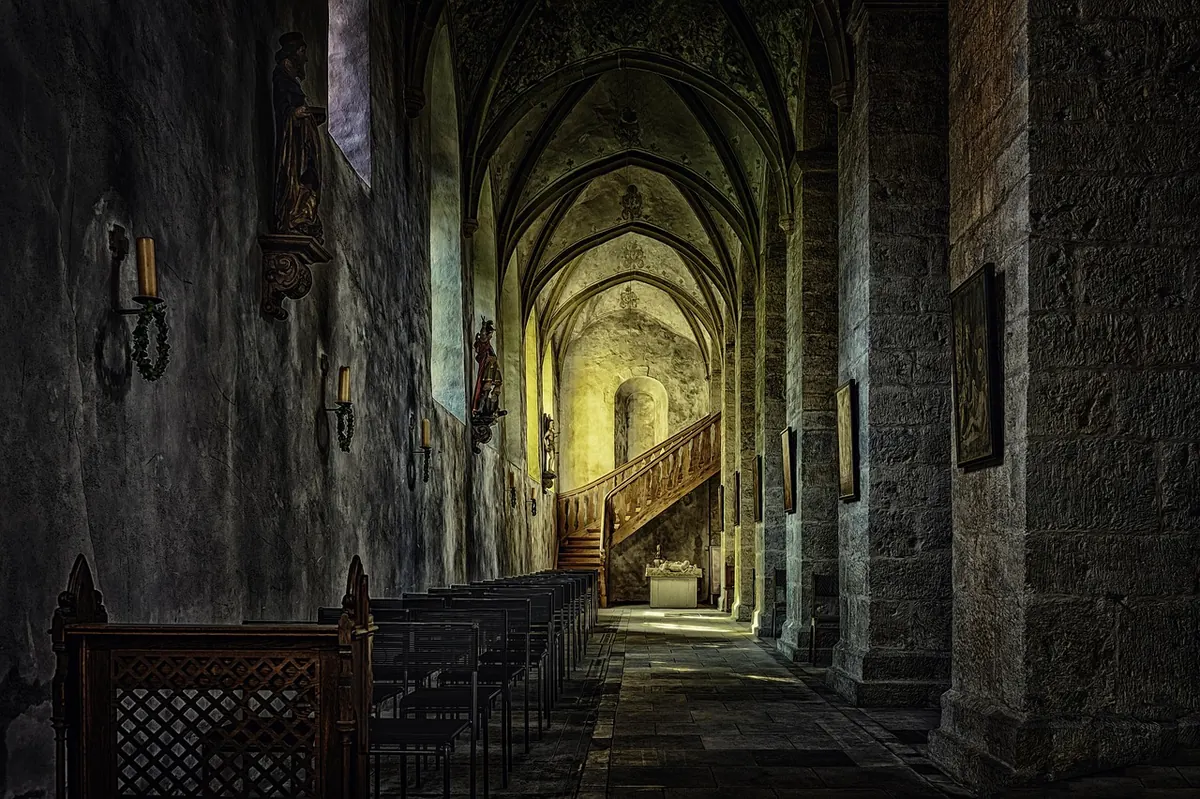
- Convents and monasteries — quiet rooms, fixed timetables, occasionally a shared evening meal.
- Agriturismi — farm stays with half board, a good choice every few days.
- Small hotels and pensioni — private rooms in towns, useful when you need a bath and a door that closes.
- Camping — possible in some areas, but check local rules before pitching anywhere.
The credenziale, the pilgrim passport you get stamped along the way, is what gives you access to many of the cheapest beds. Ask about it before you leave, since some routes issue their own version.
On booking: a common middle path is to reserve your first two nights and your last, then decide the middle as you go, especially in spring and autumn. In high summer and around Italian public holidays, beds in popular stages fill quickly, and some volunteer-run hostels do not take reservations at all. Pack earplugs and a sleep mask. They are worth their weight.
Food, Water and Small Logistics
Breakfast is a cappuccino and a cornetto standing at a bar, and it is better than it sounds. Lunch is whatever you carry or find. Dinner is the meal that matters, and rural restaurants keep firm hours — rarely before 19:30, sometimes closed one weekday. If your accommodation offers half board, take it, particularly in thin stretches where the next village has one shop.
Carry 1.5 litres of water and refill at town fountains marked as drinking water. Shops in small villages often close for a long afternoon break and on Sundays, so buy bread, cheese and fruit when you see them, not when you need them.
Carry some cash. Small bars, family-run hostels and village shops may not accept cards, and cash machines can be scarce on remote stages. It is worth telling your bank you will be travelling and checking what your card charges abroad — a quick call or app check before departure saves irritation later.
The Emotional Weather
Expect the mood to move as much as the terrain. Day one is usually elation mixed with overconfidence; people walk too far and pay for it. Day three is the classic dip: the body sends its bill, the scenery stops being new, and doubt arrives — why am I doing this, and why is my pack so heavy? Irritation with strangers is common. So are tears in a supermarket.
Then something shifts. Around day five or six the rhythm takes over, and the walking becomes the day rather than the task of the day. Boredom stops feeling like failure and turns into space. The highs are small and specific: arriving in a hill town as the lights come on, a stranger handing you a glass of water without being asked, the sound of one dog setting off every dog in the valley.
The day you want to quit
Nearly everyone has one. Before you change any plan, eat something, drink a litre of water, and walk another hour. Most crises are hunger, heat or a bad night's sleep wearing a dramatic costume. If the feeling survives a meal and a rest, shorten the next day rather than abandoning the route.
Blisters, Rain and Other Teachers
Your body will be the most honest teacher you meet. Break your boots in before you leave, tape hot spots the moment you feel them rather than at the end of the day, change socks at midday, and use poles on descents if your knees have opinions. A light rain jacket and a dry set of clothes for the evening earn their place in the pack.
If you have existing problems with your feet, knees, back or heart, speak to a doctor or physiotherapist before you commit to consecutive long days. That conversation is cheaper than an injured route.
Before You Book: A Short Checklist
- Choose a route that matches your fitness, not your ambitions — a flatter first pilgrimage is not a lesser one.
- Break in your footwear on three or four long walks with the pack you will actually carry.
- Keep total pack weight modest; lay everything out, then remove a third of it.
- Book the first two nights and the last, and note the phone numbers of a few hostels.
- Order or confirm your credenziale, and check how the route is marked.
- Learn six phrases of Italian: hello, please, thank you, water, coffee, and "is this the way to…".
Then stop planning. The route will hand you the rest — the routine, the blisters, the people, the evening light on a wall you have walked twenty kilometres to see. Start shorter than you think you should, walk slower than you think you can, and let the days do their work.
Photo: Novie JG / Pexels