Why Late Autumn Is the Best Quiet Season for Slow Travel in the Italian Hills
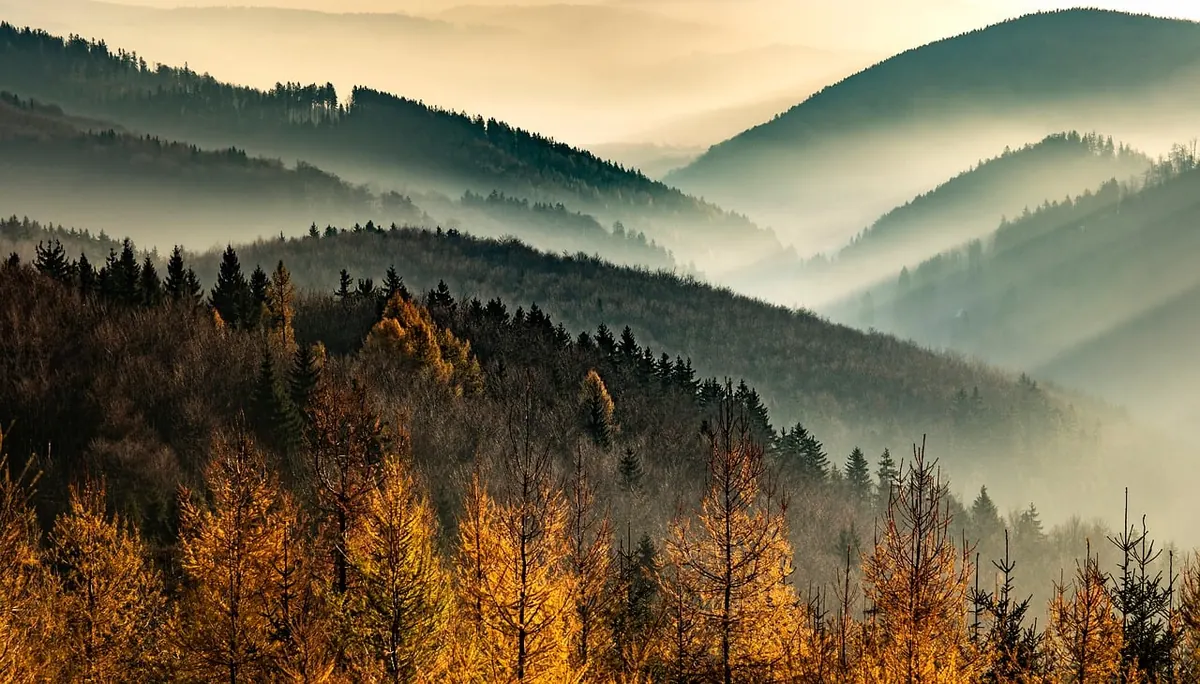
By the last week of October the hills have stopped performing. The vines are bare wire, wood smoke drifts across the valley before six in the evening, and the trattoria in the village has three tables laid instead of twelve. The summer crowds have gone home, the grape harvest is finished, and the people you pass on the path are more likely to be carrying a basket of olives than a day pack. For anyone who travels slowly — who wants the walk more than the photograph of the walk — this is the season the hills quietly hand back.
The Season Turns, Quietly
Late autumn in rural Italy is not a shutdown, it is a change of register. The olive harvest begins in November across Umbria, Tuscany, Le Marche and further south, and you will see nets spread under the trees like dark puddles. Chestnut woods are being combed. Ploughs are turning the soil into long brown ribbons. Farmers are out in the fields at hours when, in August, nobody sensible is outdoors at all.
What this means for a traveller is texture. The landscape shows its bones: hedgerows, stone terraces, the shape of the ridges. The low sun rakes across the hillsides instead of flattening them at midday. And the paths, which in May are a slow-moving queue, are mostly yours.
One practical note that surprises visitors: hunting season runs through the autumn in many Italian regions, often into January, with local variations. It is not a reason to stay away, but it is a reason to wear something visible on woodland paths, keep to marked tracks, and avoid walking in woods at dawn on Sundays, when the shooting tends to be heaviest.
Trails Without Company
The walking in November demands a little more thought and gives a lot more back. The main adjustment is mud. Clay-heavy hills — much of Tuscany, Le Marche and the Apennine foothills — become slick after rain, and a route that takes four hours in dry weather can take five and a half when you are picking your way between ruts. Good boots with real tread and a pair of trekking poles are not overpacking; they are the difference between a pleasant day and a slow slide.
Second adjustment: light. By late November it is dark by half past four in the afternoon across most of central Italy. That does not mean shortening your walking, it means starting earlier and being honest about distance. Twelve kilometres with a long lunch is a better November day than twenty without one.
Third: information. Italian trails are generally marked with red and white waymarks, and the CAI (Club Alpino Italiano) numbering is reliable where it exists, but rural routes between villages often are not. Download an offline map before you leave the wifi of your guesthouse, tell someone where you are going, and expect mobile signal to vanish in valleys. Farm dogs are a genuine feature of the season, when animals are closer to the farmyard; walk past calmly, do not run, and do not try to pet anything behind a gate.
Weather Worth Planning Around
Late October can still deliver the ottobrata — that generous spell of clear, warm days Italians talk about — and November can deliver three days of rain. Both are good. Wet weather is what makes the hills green, fills the streams, and produces the fog that turns a ridge into a peninsula in a white sea.
Fog is worth understanding. It usually sits in the valleys in the morning and lifts or thins with altitude, so a hilltop village can be in bright sun while the road below is in milk. Drive accordingly: single-track roads with no lighting and no verge are not the place to make up time. And build each day with a wet alternative — a frantoio where you can watch olives being pressed, a small museum, a long lunch, a covered market. The best November days often mix both: a damp walk in the morning, a warm room and a plate of something braised in the afternoon.
Rooms, Tables and Roads With Room to Breathe
Rates outside holiday periods and weekends generally soften in late autumn, and availability improves to the point where you can decide where to stay a few days ahead rather than months. That flexibility is the real luxury of the season.
But quiet cuts both ways. Many rural hotels, seaside places and country restaurants close after the first week of November and reopen at Easter; others open only at weekends. So check opening days directly, by phone or message, rather than trusting a listing. Book your first and last nights in advance so you are not arriving in the dark hunting for a room. Ask about heating if you are staying in an old stone farmhouse — many are wonderful and cold, and heating is sometimes charged separately. Confirm deposit and cancellation terms in writing, as you would anywhere.
Transport thins out too. Sunday buses in rural areas may run twice a day or not at all, and some smaller train services reduce their timetable. Having your own car, or arranging a transfer for the days that matter, saves a lot of standing at empty stops.
What Is Actually Happening
The autumn calendar gives a slow traveller plenty of reasons to linger, without any need for a festival schedule:
- Olive harvest — November in central Italy, earlier further south. Ask at a local frantoio whether you can watch the pressing; many welcome visitors, and the new oil with bread is the whole point of the season.
- Chestnuts — October and November, with village sagre in the chestnut woods of Tuscany, Lazio, Campania and Piedmont.
- Truffles — white truffle markets run in Piedmont and around San Miniato in Tuscany in October and November. Truffle dishes are priced by weight, so ask before ordering rather than after.
- New wine — the first of the year's wine, celebrated in small festivals that are more local party than tourist event.
- All Saints' Day, 1 November — villages go quiet, some businesses close, and hilltop towns are at their most atmospheric. Cemeteries fill with chrysanthemums; it is a day to walk slowly and not expect lunch at three.
What to Pack and How to Pace It
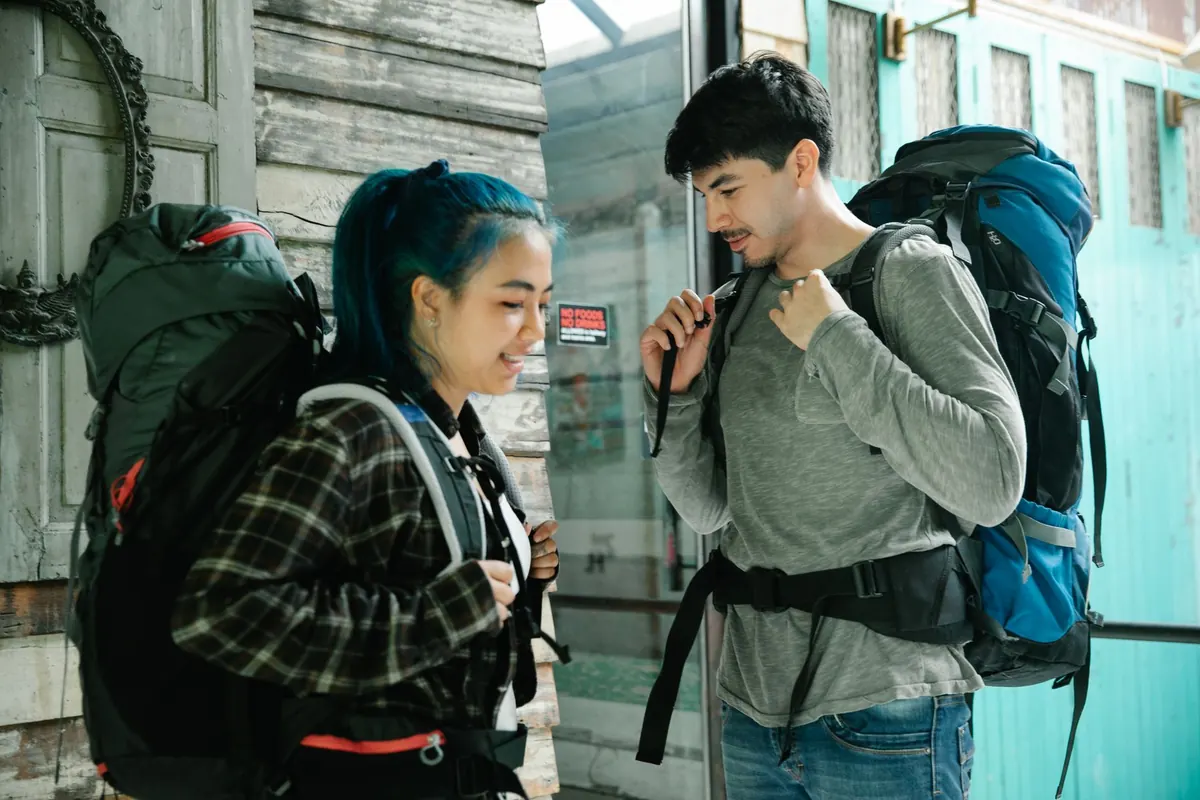
Think layers rather than bulk, and warmth rather than waterproof everything. A short list that covers most November days in the hills:
- Broken-in boots with grippy soles, plus a spare pair of socks for the car
- Merino base layer, a warm mid-layer, and a light waterproof shell
- A headlamp — sunset arrives fast and without warning
- Trekking poles, especially for clay descents
- Offline maps on your phone and one paper map as backup
- A thermos, and a little cash for small shops and village bars that prefer it
- Something bright to wear in woodland
Pace matters more than gear. Give yourself three nights minimum in one place; moving every day in a season of short daylight means you spend your time arriving. Walk three days out of five and let the others be village days, market days, long lunches. Eat earlier than you would in summer, because kitchens close earlier too.
A Practical Way to Start
Choose one rural base with a food shop, a bar and at least two marked walks from the door — a hill town in Umbria, a village in the Le Marche hills, a hamlet in the Langhe. Book the first two nights. Plan your walks the evening before, checking the forecast and the time of sunset, and keep one wet-day plan in reserve. Ring ahead for restaurants, especially early in the week. Take the small roads, stop when a view opens up, and leave the afternoons loose.
Late autumn does not offer guaranteed weather, and it will not suit everyone. What it offers instead is the hills as they are when nobody is watching them — and the space, on the path and in your own head, to notice what you came for.
Photo: aszak / Pixabay