A Beginner’s Guide to Italy’s Pilgrim Trails: Cammini, Vie, and Ways
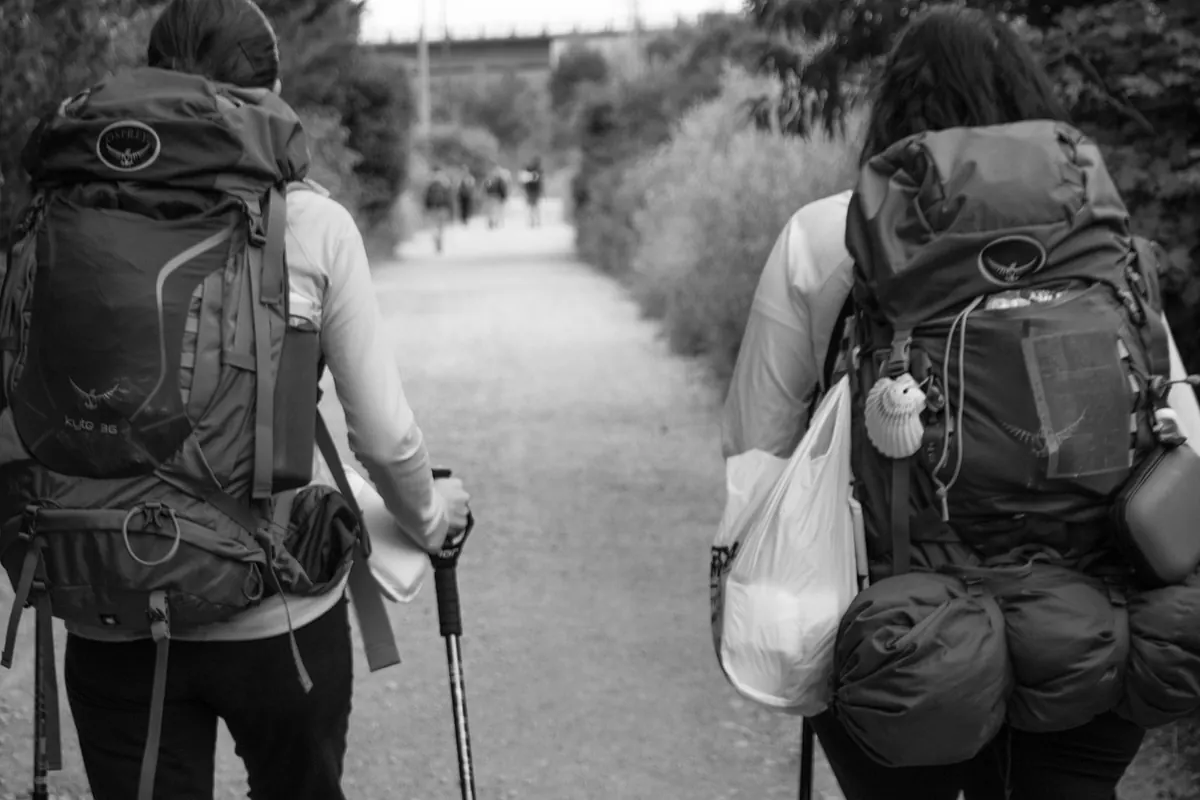
You have probably seen the photographs: a lone walker on a white gravel road, cypresses on one side, a hill town on the other, boots dusty and a small pack on their back. Italy is full of these roads. The difficulty is not finding them. It is working out what they are called, how they differ, and which one will not leave a first-time walker limping into a hostel on day two.
Italian pilgrimage routes have their own vocabulary, and it can feel like a private language. A friend says they are walking the Via Francigena. A guidebook mentions a cammino in Umbria. Someone else talks about the Way, meaning Santiago, which is in Spain. None of this is as complicated as it sounds. A little terminology goes a long way, and so does choosing a route that matches your legs rather than your imagination.
Three words that do most of the work
Cammino
Literally a path or way, cammino (plural cammini) is the word Italy now uses for a recognised long-distance route walked over several days or weeks, usually with some historical or spiritual thread behind it. The label says nothing about your beliefs. Atheists, families and parish groups all walk cammini. What it does imply is a certain style of travel: stages that end in villages, some basic pilgrim accommodation, and a route that has been walked long enough to have a character of its own.
Via
Via means road, and in route names it usually points to an older, often Roman or medieval, corridor. The Via Francigena was the road from Canterbury to Rome. The Via Romea Strata and the Via Appia are cousins of the same idea. You will also see the plural, vie, used for a family of routes rather than a single line on a map.
Way
In English, “Way” almost always refers to the Camino de Santiago, and specifically the routes that end at Santiago de Compostela in Spain. Italy has its own Santiago connections, but when an Italian walker says “the Way”, they usually mean Spain. If you are walking in Italy, you are on a cammino or a via.
The words you will meet at the hostel door
Once you start planning, a handful of terms turn up again and again. Learn these five and most route websites become readable.
- Tappa: a stage, usually one day’s walk. Route guides are organised by tappe, and accommodation is often listed that way too.
- Credenziale: the pilgrim passport. You collect stamps along the way, and it is what gets you into parish hostels and earns you the final certificate. Get it from the route’s official association or a starting-town hostel before you set off.
- Ostello: a hostel, but not always the youth-hostel kind. Many are parish-run, simple, and closed during the middle of the day.
- Testimonium: the certificate issued at the end of a recognised route once you have enough stamps. It is a nice thing to have, not the reason to walk.
- Donativo: a donation-based stay. It is not free. Leave what you can afford, and treat it as a bed offered by people who care about the route.
Four routes that suit a first walk
Via Francigena
The classic. The full route runs from Canterbury to Rome, and the Italian stretch alone is about a thousand kilometres. You do not need to walk all of it. The section through Tuscany, say from Lucca towards Siena, gives you the essential experience: well-marked paths, hill towns, vineyards and enough other walkers that you will not feel isolated. Infrastructure is good, but book ahead in summer.
Via degli Dei
A roughly 130-kilometre route from Bologna to Florence, usually walked in five or six days. It crosses the Apennines, so expect real climbs and real views, but the logistics are straightforward and the route is well marked with red-and-white CAI blazes and its own signs. It is popular with Italians doing their first long walk, which tells you something.
Cammino di San Francesco
The Franciscan route from La Verna through Assisi towards Rome runs for several hundred kilometres. For a first taste, take a short stretch in Umbria, where the distances between villages are manageable and the landscape does much of the work. It is quieter than the Francigena and more overtly spiritual in tone, though nobody will ask you to prove anything.
Cammino di San Benedetto
From Norcia towards Montecassino, this is a shorter, hillier and much quieter option. Accommodation is thinner on the ground, so it suits a walker who is happy to plan each night and carry a little more. Save it for your second or third route if you are new to this.
How to choose without overthinking it
Pick a route for the week you actually have, not the one you imagine having next year. A few filters help.
- Start with five to seven walking days. That is enough to learn whether you enjoy the rhythm, and short enough that a bad pair of shoes does not ruin a month.
- Choose a route with luggage transfer and regular villages if this is your first time. You can always go remote later.
- Check the season. Many Italian routes are best in spring and autumn; high summer in the south is punishing, and some hostels close in winter.
- Download the GPS tracks before you leave, even if the route is marked. Signs get moved, painted over or hidden by branches.
What a day actually feels like
Most walkers start between seven and eight, walk for two or three hours, stop for coffee and a pastry, then walk again. A 20-kilometre day sounds modest on paper. It is not modest after the fourth day, when your feet have opinions.
Arrive by mid-afternoon. Shower, wash your clothes, rest. Eat a proper dinner, go to bed early. Repeat. The pleasure of a cammino is not in the sights you tick off. It is in the ordinariness of that rhythm and the way a village square at six in the evening starts to feel like a living room.
Trail etiquette that locals notice
Greet people you pass. Close gates. Do not walk three abreast on a narrow road. Keep quiet in hostels after lights out, and wash your dishes without being asked. Pack out your rubbish, including fruit peel. If a village has a water fountain, fill your bottle there rather than buying plastic. None of this is heroic. It is just what keeps these routes pleasant for the people who live along them.
Before you book: a short checklist
Break your shoes in properly before you go, and test your socks on a long walk, not a stroll around the block. Aim for a pack you can carry comfortably for an hour without resentment; most first-timers bring too much. Book your first two nights, then leave room to adjust. Check whether your travel insurance covers walking holidays, and ask the insurer if you are unsure.
If you have heart, joint or foot problems, or take regular medication, speak to your doctor before committing to long days and long distances. That is not a reason to stay home. It is a reason to plan sensibly.
Finally, give yourself permission to walk a short route. The Via Francigena does not care whether you cover ten kilometres or a thousand. A few days on a well-marked path, with a credenziale in your pocket and a bed booked for the night, is a complete pilgrimage by any reasonable definition.
Photo: larahcv / Pixabay